A loft conversion typically adds a bedroom, a bathroom and 18–22% to the value of a Barnet or Hertsmere semi. Done well, it's one of the highest-return home improvements you can make. Done badly, it's a planning headache that never quite delivers the room you wanted.
We work with a local loft specialist who knows the housing stock around here — which Borehamwood streets are 1960s hip-roofed semis (textbook hip-to-gable territory), which High Barnet conservation areas restrict standard dormers, which Whetstone terraces have the original back-additions that suit L-shaped conversions.
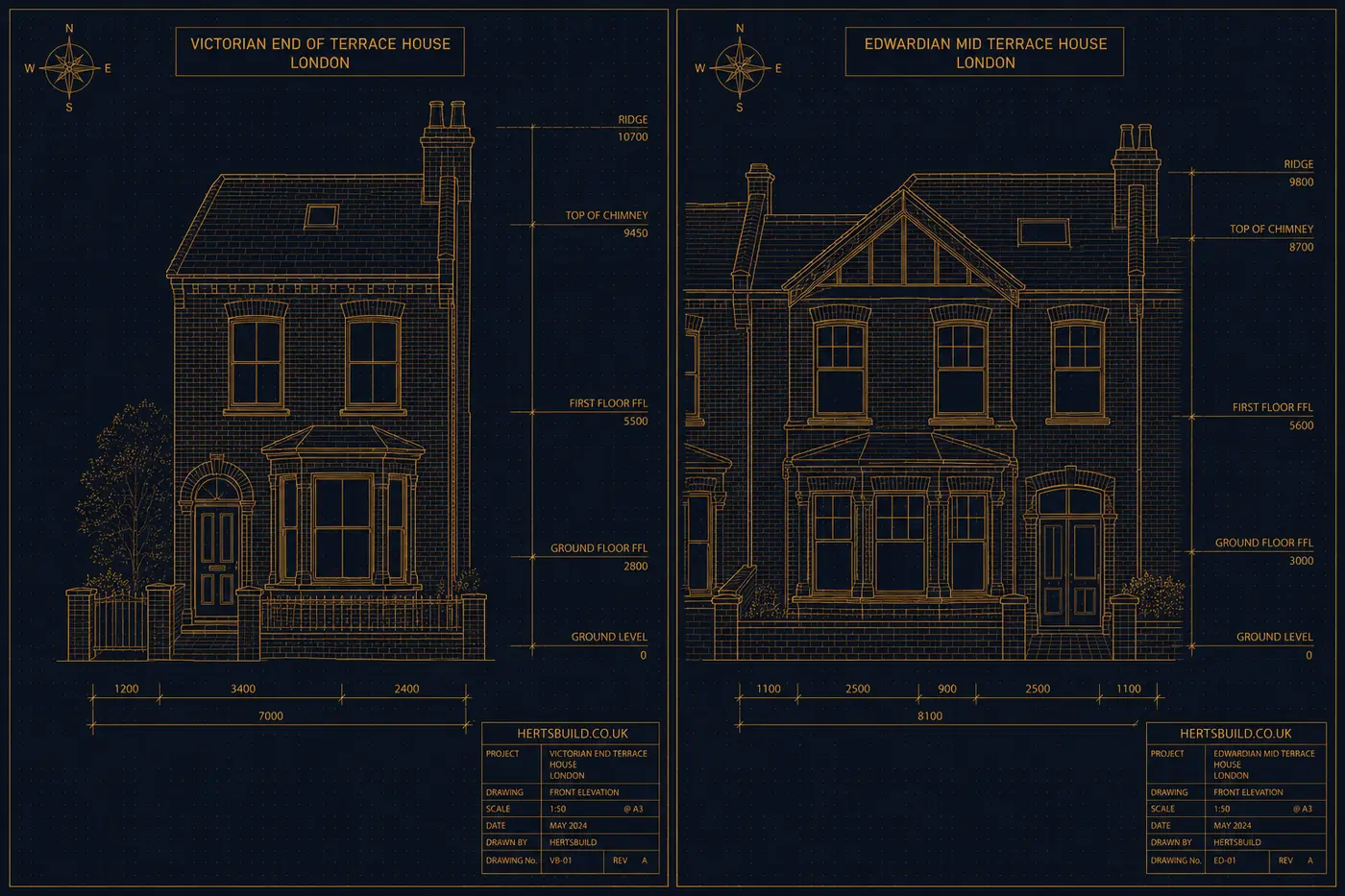
Loft conversion types
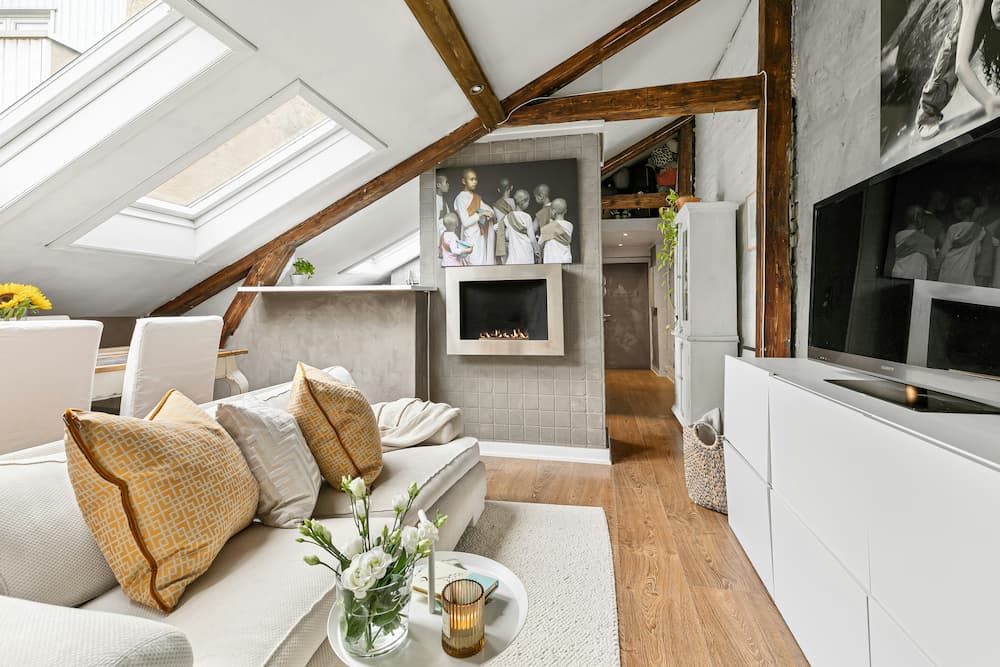 Dormer Loft Conversions
The most common — flat-ceilinged rear extension to the loft. From £30,000.
Dormer Loft Conversions
The most common — flat-ceilinged rear extension to the loft. From £30,000.
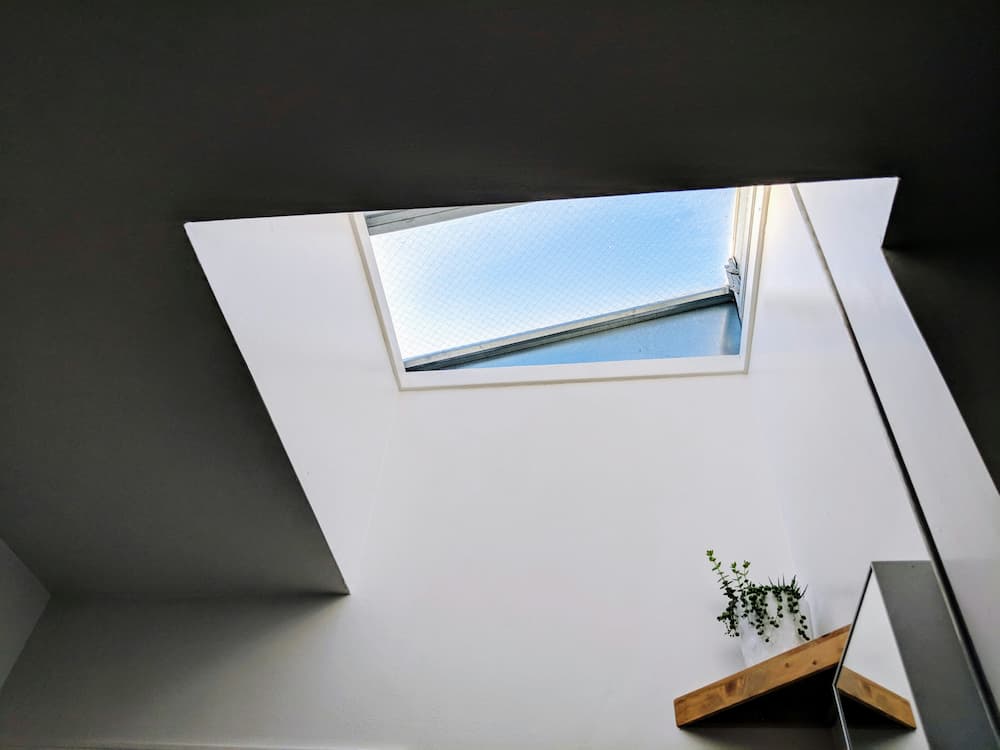 Velux / Rooflight
The simplest, cheapest option. No structural roof change. From £18,000.
Velux / Rooflight
The simplest, cheapest option. No structural roof change. From £18,000.
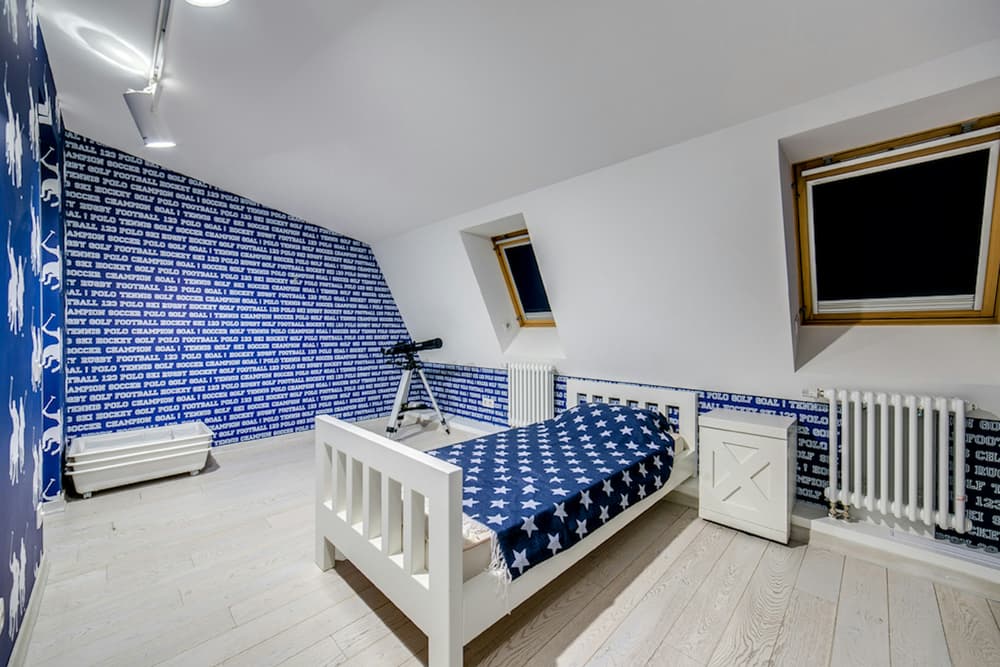 Hip-to-Gable
For 1960s hip-roofed semis — extends the side roof to a vertical gable.
Hip-to-Gable
For 1960s hip-roofed semis — extends the side roof to a vertical gable.
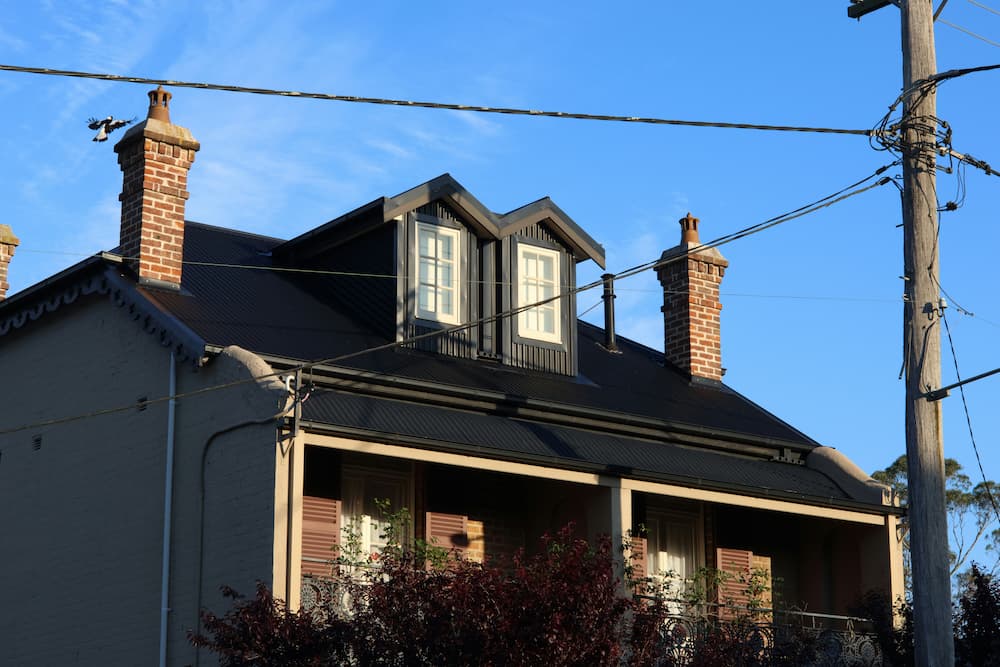 Mansard
Premium option — near-full second storey. From £50,000. Planning required.
Mansard
Premium option — near-full second storey. From £50,000. Planning required.
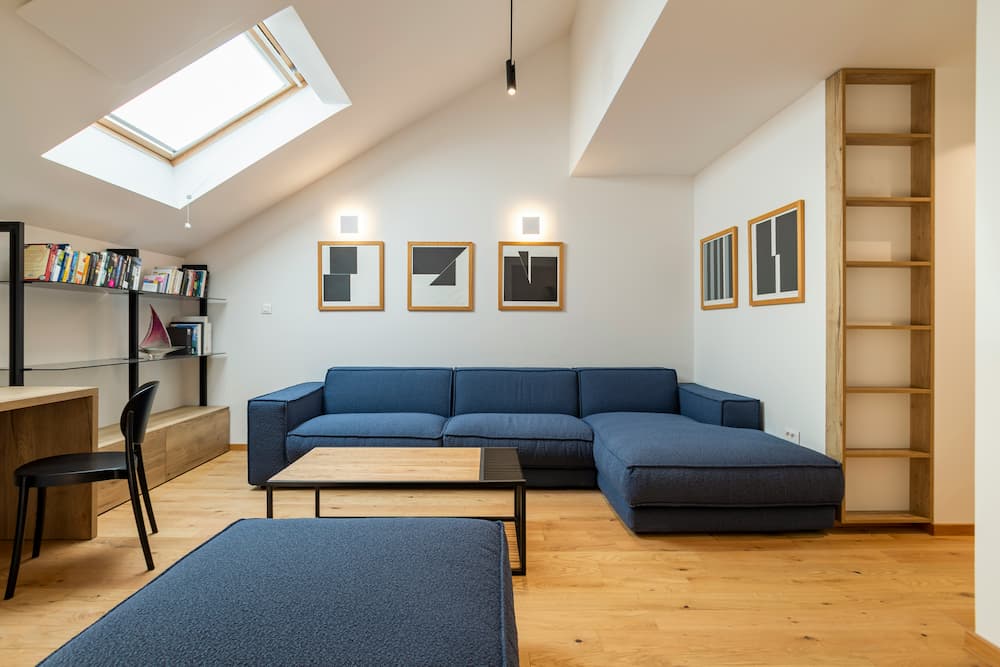 L-Shaped Dormer
For Victorian terraces with original back-additions. Two bedrooms upstairs.
L-Shaped Dormer
For Victorian terraces with original back-additions. Two bedrooms upstairs.
 2026 Cost Guide
Detailed costs and timelines by conversion type.
2026 Cost Guide
Detailed costs and timelines by conversion type.
Areas We Cover
Loft conversions across Barnet borough and the Hertfordshire border:
- High BarnetEN5
- East BarnetEN4
- New BarnetEN4
- WhetstoneN20
- FinchleyN3
- Mill HillNW7
- TotteridgeN20
- BorehamwoodWD6
- ElstreeWD6
- Potters BarEN6
- Hadley WoodEN4
- ArkleyEN5
How a Loft Conversion Project Runs
1. Initial survey. A specialist visits, measures up, checks loft dimensions, structural conditions, head heights and access. Confirms which conversion type the house supports.
2. Design and planning. Architectural drawings produced. Planning application submitted if required (mansard, conservation areas, L-shaped over PD volume). Structural engineer's calculations prepared.
3. Building Control. Plans submitted to Building Control. Party Wall Notices served to neighbours where applicable. Pre-start sign-off.
4. Construction. Scaffolding up. Roof opened. Structural work, frame, weathertight. Internal fit-out, electrics, plumbing, plaster, decoration. Final Building Control inspection.
5. Sign-off and handover. Building Control Completion Certificate issued. Snagging list resolved. Move in.
Planning Permission in Barnet
Most rear dormers and many hip-to-gable conversions in Barnet borough fall under permitted development. Mansards, L-shaped dormers and any conservation-area work need a planning application. See our Barnet planning permission guide for the full detail.
Cost in Context
Loft conversion costs in Barnet range from £18,000 for a Velux conversion to £75,000+ for a mansard. The midpoint — a standard rear dormer with en-suite, building-regs compliant, fully decorated — is £35,000–£45,000. See the 2026 cost guide for type-by-type detail.
Common Loft Conversion Projects in Barnet
The Borehamwood hip-to-gable + dormer. 1960s hip-roofed semi, hip extended to a vertical gable, rear dormer added. Master bedroom and en-suite. Typical cost £40,000–£55,000. Permitted development in most cases.
The 1930s semi dormer. Standard rear dormer with en-suite shower room. Common in Mill Hill, East Barnet, parts of Finchley. £30,000–£45,000 all-in. Permitted development.
The conservation-area mansard. Whetstone Edwardian terrace, Mansard rebuild with sash windows. Two bedrooms upstairs. Planning required, takes 8–12 weeks for approval. £55,000–£75,000.
Frequently Asked Questions
Do I need planning permission for a loft conversion?
Many loft conversions in Barnet (rear dormers in particular) fall under permitted development and don't need planning permission. Mansards, L-shaped dormers, and any conversion in a conservation area need a planning application. The specialist confirms this on the initial survey.
How long does the work take?
Velux: 4–6 weeks on site. Dormer: 8–10 weeks. Hip-to-gable: 8–12 weeks. Mansard: 12–16 weeks. Add 4–6 weeks of pre-construction (design, planning, structural calcs) before work starts.
Will I have to move out during the build?
Usually no. The roof comes off for 3–5 days during the structural phase (weather-permitting) but the house remains lived-in for the rest of the build. Mansard conversions are the exception — most families stay elsewhere during the 2–3 weeks of roof-off works.
Does a loft conversion add value to my house?
In Barnet and Hertsmere, a well-built dormer or hip-to-gable conversion typically adds 18–22% to property value — often 1.3–1.6× the build cost as net gain. Mansards in conservation areas can return more again.
Are loft conversions noisy and disruptive?
There's roughly 2–3 weeks of high-disruption work (roof opening, structural steel, scaffolding). The rest of the build is moderate noise. Most families plan around the disruptive phases — school holidays, working-from-home arrangements, or just acceptance.