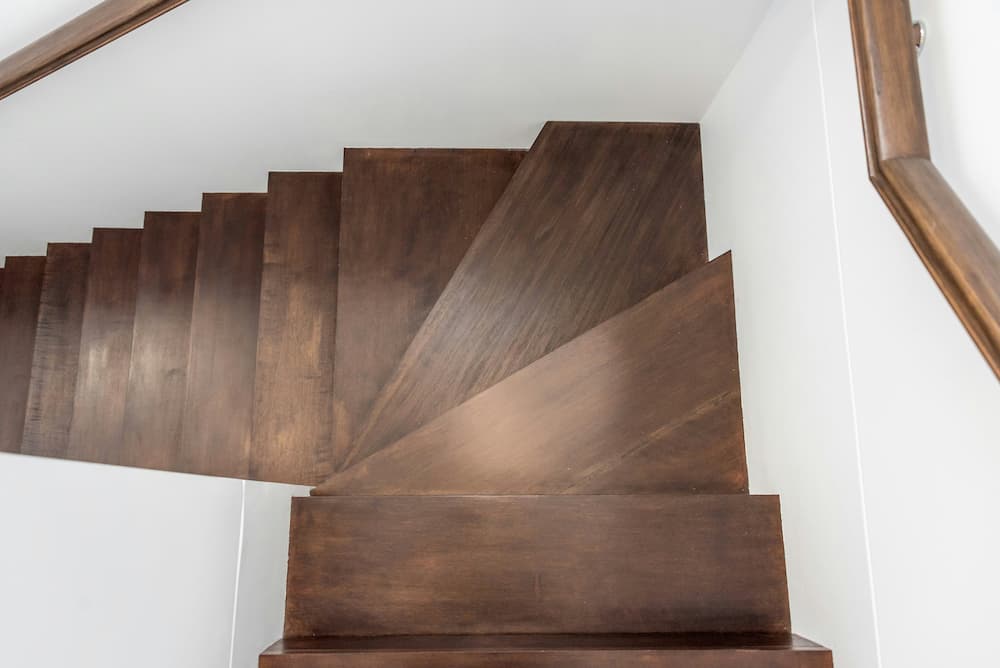
New staircases, balustrade renewal, oak treads and bespoke spindles for Barnet and Hertfordshire homes. Loft-conversion staircases, period staircase rebuilds, modern open-tread designs — all to building-regs sign-off.
When You Need Staircase Work
Loft conversion staircases. Every loft conversion needs a new staircase from the first floor up. Sometimes this is over the existing staircase line; sometimes it's into a separate stair-well that eats part of a bedroom. The position is often the single most contentious decision in a loft project.
Balustrade replacement. Period houses around High Barnet, Whetstone and Mill Hill often have original Victorian or Edwardian balustrades — sometimes worth restoring, sometimes too damaged. A balustrade replacement (handrail, base rail and spindles) can transform a tired hallway without a full staircase rebuild.
Tread & riser refit. If the staircase frame is sound but the treads are worn or the carpet is being lifted to expose timber, a tread-and-riser refit (oak or pine, varnished or painted) gives a near-new look at a fraction of the cost of a rebuild.
Full staircase rebuild. The big job. Strings cut to size, treads and risers built in, balustrade jointed and pinned, handrail run. Required for loft conversions where the existing stair can't take the additional flight, or for major remodels where the staircase position changes.
Materials & Style
Most loft-conversion stairs in Barnet are softwood (pine) carcass with oak treads and painted spindles — the standard look that suits 1930s and 1960s semis. Period houses often want oak treads with turned spindles. Modern extensions can take open-tread (no risers) designs with steel stringers, though those are specialist installs.
Wrought iron balustrade. A period-appropriate alternative to timber spindles on Victorian and Edwardian staircases — decorative cast or wrought iron uprights with a timber handrail, often reclaimed or reproduction to match the house's original ironwork. Supplied and fitted alongside a tread refit or full rebuild rather than as a standalone job, since the fixings depend on the string design.
Building Regulations
New staircases (and any structural alteration to an existing one) must comply with Part K of the Building Regulations — pitch, going, headroom, balustrade height and gap rules. A good local carpenter knows this cold and will design the staircase accordingly. Building Control sign-off is typically required as part of a loft conversion package.
Cost Range
- Balustrade replacement only: £900–£1,800
- Tread & riser refit (oak): £1,500–£2,800
- Loft-conversion staircase (softwood with oak treads): £2,500–£4,500
- Full bespoke staircase (oak, period detailing): £6,000–£12,000+
Frequently Asked Questions
Can the existing staircase be reused for a loft conversion?
Sometimes — if the existing first-floor stair is wide enough, has adequate headroom above, and the additional flight can land safely on the half-landing or upper hallway. Often a new stair is the cleaner answer. The loft carpenter will assess on the survey visit.
How long does a staircase install take?
A loft-conversion staircase typically takes 3–5 days for the carcass and treads, plus 2 days for balustrade and finishing. A full bespoke period rebuild can take 2–3 weeks.
Do you supply spindles and handrails?
Yes — turned spindles, square spindles, oak or pine handrails, all supplied and fitted. Choose from stock profiles or specify a bespoke turning.
Will the stairs be useable during work?
For a tread/balustrade-only job, usually yes — work happens at one end at a time. For a full rebuild, no — plan a temporary access route or stay elsewhere for 5–10 days.